

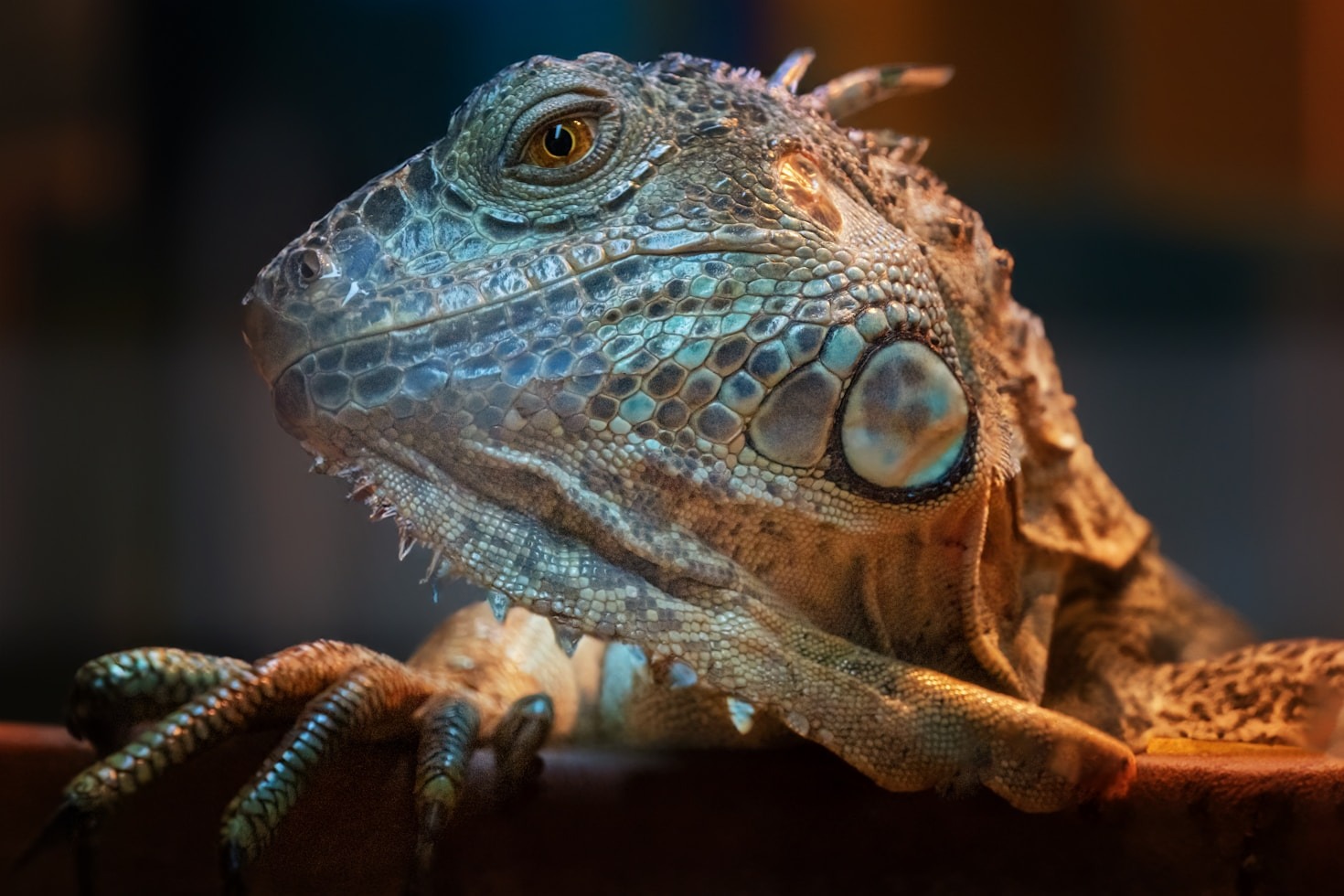
Reptiles are fascinating animals, but they are also easy to misunderstand. They do not communicate the same way dogs, cats, or other common pets do. A bearded dragon is not going to wag its tail to show excitement. A snake is not going to come over and ask for attention. A gecko might freeze in place instead of running away.
That does not mean reptiles are boring, unfriendly, or impossible to read. It just means we need to understand them on their terms.
Reptile behaviour is shaped by survival, temperature, security, feeding, lighting, humidity, stress, and species-specific instinct. Once you start looking at behaviour through that lens, your reptile starts making a lot more sense.
Captive-bred reptiles may have been raised around people, but they are still reptiles. Their needs are tied to the same basic biology they would rely on in the wild. Good reptile care starts with respecting that. The goal is not to make a reptile act like a dog or cat. The goal is to understand what is normal for that species, and for that individual animal.
Reptiles Are Environment-Driven Animals
Most reptiles are ectothermic. That means they rely on their environment to control their body temperature. This affects almost everything they do.
Temperature can influence:
- Feeding
- Digestion
- Movement
- Basking
- Hiding
- Shedding
- Breeding behaviour
- Immune function
- General activity level
A reptile that is too cold may become sluggish, stop eating, or have trouble digesting food. A reptile that is too hot may become restless, stressed, or start trying to escape.
That is why enclosure setup matters so much. Temperature gradients, humidity, lighting, hides, substrate, basking areas, and enclosure layout all play a role in behaviour.
In simple terms, behaviour is often the first clue that something in the setup may need attention. If a reptile suddenly stops eating, hides all the time, glass-surfs, becomes defensive, soaks more than usual, or changes its normal routine, the first question should be:
What changed in the environment?
Hiding Is Normal
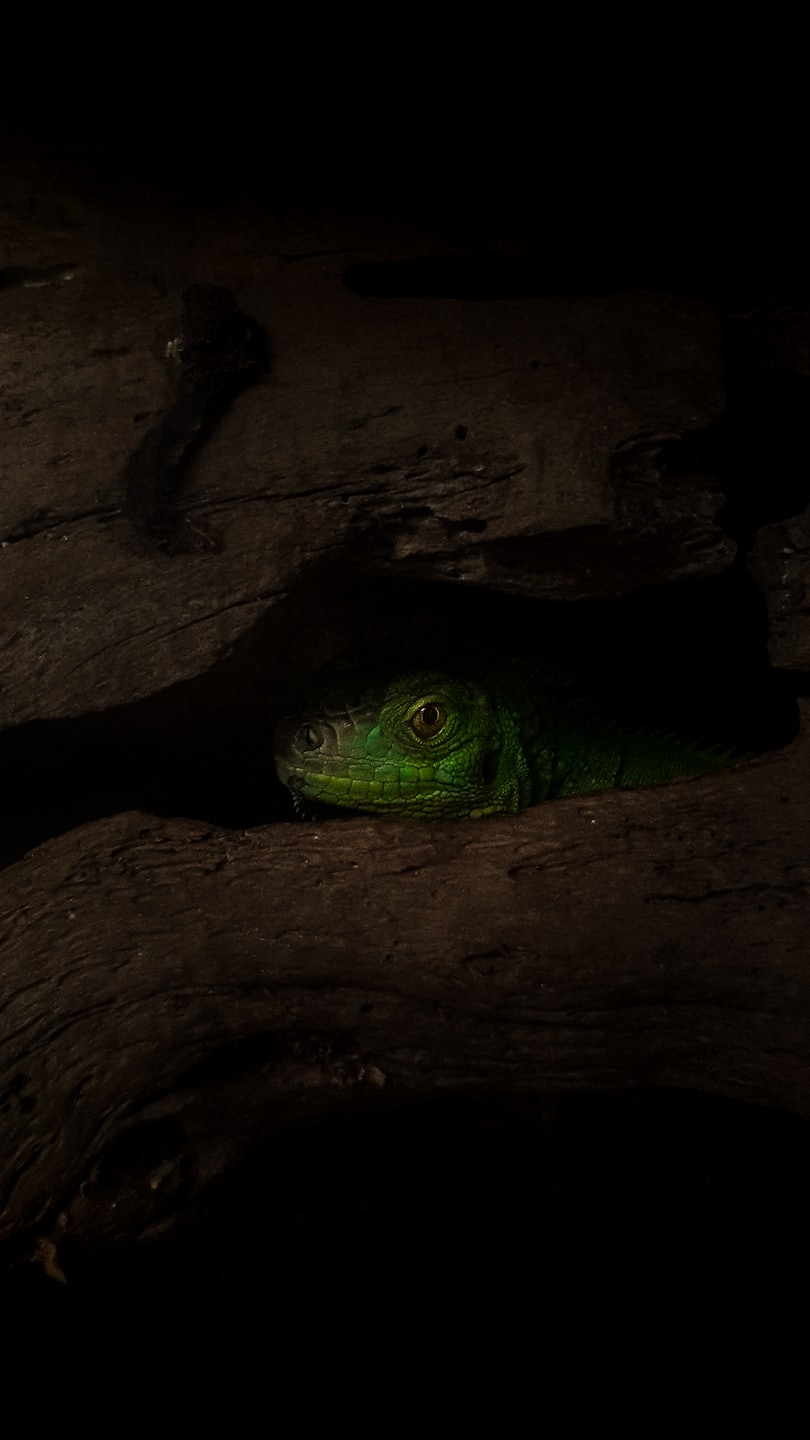
A lot of new reptile owners worry when their animal hides. In many cases, hiding is completely normal.
In the wild, a reptile that feels exposed may be at risk from predators. That instinct does not disappear just because the animal lives in a safe enclosure.
A snake curled up in a hide is not necessarily unhappy. A gecko tucked away in a dark shelter is not necessarily anti-social. A young reptile avoiding open space may simply be doing what its instincts tell it to do.
The issue is not hiding by itself. The issue is a sudden change from that animal’s normal pattern, especially if it comes with other signs like weight loss, food refusal, poor shedding, strange posture, laboured breathing, or reduced responsiveness.
A reptile that hides regularly may be perfectly healthy. A reptile that suddenly hides constantly after being active and visible may be telling you something needs a closer look.
Defensive Behaviour Is Communication
Biting, hissing, tail-whipping, puffing up, musking, lunging, flattening the body, or trying to flee are all ways reptiles communicate.
Most of the time, these behaviours mean:
“I feel threatened. Please give me space.”
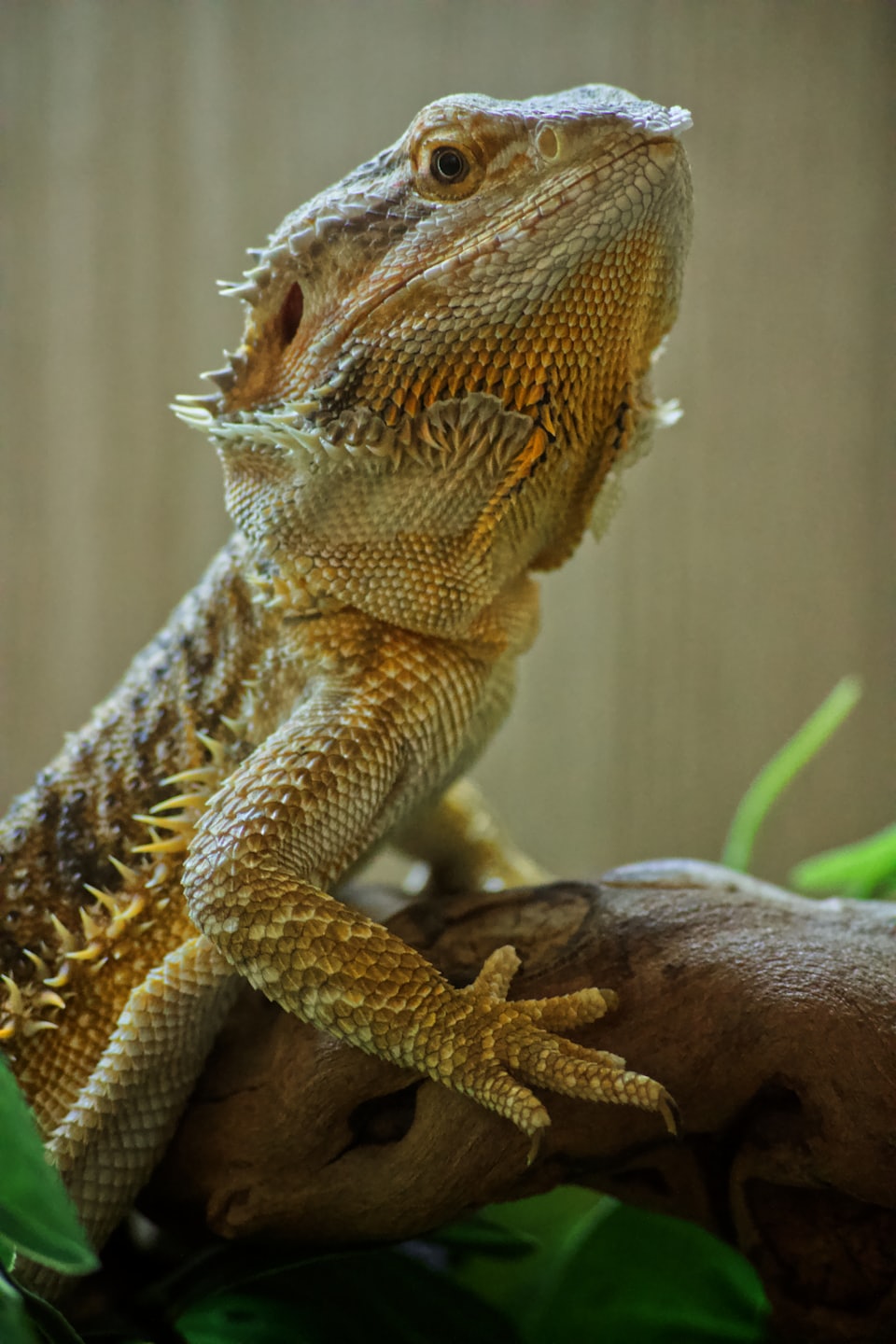
A defensive reptile is not being mean. It is not holding a grudge. It is trying to protect itself.
Common causes of defensive behaviour include:
- Too much handling, too soon
- Not enough hides or cover
- Incorrect temperatures
- Bright exposure with nowhere to retreat
- A recent move or enclosure change
- Being approached from above
- Handling during shed
- Handling too soon after feeding
- Pain, illness, or reproductive stress
With reptiles, trust is built slowly. Forcing interaction usually makes things worse. Calm, consistent, predictable handling is far more effective.
Feeding Behaviour Tells a Story
Feeding response can tell you a lot about a reptile’s condition, but it has to be interpreted carefully.
Some reptiles are enthusiastic feeders. Some are shy. Some species naturally eat less at certain times of year. Snakes, in particular, may go longer between meals than many new keepers expect.
One missed meal is not always a crisis. A pattern of missed meals, weight loss, regurgitation, weak feeding response, or sudden food refusal deserves attention.
Before assuming the animal is just being difficult, check the basics:
- Is the warm side at the correct temperature?
- Is the cool side actually cool enough?
- Is the humidity right for the species?
- Is the animal in shed?
- Has it recently been moved?
- Is the prey size correct?
- Is the enclosure too exposed?
- Is another reptile causing stress?
- Has the animal’s weight changed?
Food refusal is often connected to husbandry, security, temperature, humidity, stress, or health. The animal is not trying to be frustrating. It is responding to conditions, instinct, or physical state.
Basking Is Not Laziness
When a reptile sits under a heat lamp or UVB light, it is not just lounging around. Basking is active biological regulation.
Depending on the species, basking may help with:
- Warming the body
- Digestion
- Metabolism
- Activity level
- Calcium processing
- Vitamin D3 synthesis
- Overall health
A good enclosure gives the reptile choices. It should be able to move between warmer and cooler areas, brighter and shaded areas, exposed and hidden areas, and dry or humid zones where appropriate.
A single fixed condition does not let the animal regulate itself properly. Reptiles need options.
For example, a bearded dragon should have access to a proper thermal gradient, UVB lighting, and shaded areas. It should not be forced to sit in one uniform condition all day.
Reptiles Learn Patterns
Reptiles are not decorations. They learn routines.
Many reptiles recognize feeding times, keeper movement, misting schedules, enclosure access, cleaning routines, and handling patterns. Some can even be trained for target feeding, stationing, transport, or cooperative veterinary care.
That said, it is important not to over-interpret reptile behaviour through a human emotional lens.
A reptile coming to the front of the enclosure might be curious. It might be hungry. It might be reacting to movement. It might associate the door opening with food. It might be looking for a warmer spot or a way out.
Context matters.
The best thing you can do is observe your animal over time. Learn what is normal for that species, and what is normal for that individual.
Signs That Deserve Attention
One behaviour rarely tells the whole story. The real value comes from watching for patterns and changes.
Behavioural red flags include:
- Sudden food refusal outside normal seasonal patterns
- Repeated escape attempts
- Constant glass-surfing or nose rubbing
- New aggression or defensive behaviour
- Extreme lethargy
- Weakness or poor coordination
- Excessive soaking
- Open-mouth breathing
- Repeated hiding combined with weight loss
- Never leaving the heat
- Never basking at all
- Poor shedding
- Change in stool pattern
- Unusual posture
- Swelling or visible discomfort
Reptiles can be very good at hiding illness or stress. That means small changes matter. A reptile may not look obviously sick until a problem is already well underway.
When behaviour changes, take it seriously.
Handling Should Be Built Slowly
Handling is not automatically enjoyable for every reptile. Some tolerate it well. Some become comfortable with it over time. Some are better treated as display animals with minimal handling.
Species, age, temperament, health, and past experience all matter.
A good handling plan should be slow and predictable:
- Let the reptile settle after arrival.
- Make sure it is eating reliably.
- Approach from the side, not from above.
- Keep early handling sessions short.
- Support the whole body.
- Avoid handling during shed.
- Avoid handling right after feeding.
- Stop before the animal becomes highly stressed.
The goal is to teach the reptile that handling is safe and predictable. Chasing, grabbing, restraining, or forcing interaction usually teaches the opposite.
Species Matters
There is no single rule for “reptile behaviour.”
A corn snake, royal python, leopard gecko, crested gecko, bearded dragon, blue-tongued skink, tortoise, and monitor lizard all have different needs and different normal behaviours.
Some reptiles are terrestrial. Some are arboreal. Some are crepuscular. Some like to burrow. Some need lots of cover. Some need higher humidity. Some need dry conditions with a humid retreat. Some tolerate handling well. Others do best with very little handling.
This is why species-specific research is essential.
General reptile advice can be useful, but it is only a starting point. The right setup and the right expectations depend on the animal.
“Reptiles and amphibians are sometimes thought of as primitive, dull and dim-witted. In fact, of course, they can be lethally fast, spectacularly beautiful, surprisingly affectionate and very sophisticated.”
Sir David Attenborough
The Main Rule: Behaviour Is Data
Reptile behaviour is information.
It can tell you whether the animal feels secure, whether the enclosure is functioning properly, whether feeding is appropriate, and whether the animal’s health may be changing.
A calm reptile usually has:
- Correct temperatures
- Correct humidity
- Proper lighting
- Good hides
- Enough cover
- Suitable food
- A secure enclosure
- Predictable handling
- Low unnecessary stress
A stressed reptile is often telling you that something is off. The keeper’s job is to pay attention and work through the system.
When behaviour changes, check:
- Temperature
- Humidity
- UVB and lighting schedule
- Hide placement
- Enclosure size
- Substrate
- Feeding routine
- Handling frequency
- Cleaning products
- Noise and household activity
- Recent moves or changes
- Health status
When in doubt, contact a qualified reptile veterinarian. Reptile health problems can be subtle, and early help is always better than waiting too long.
Final Thought
Understanding reptile behaviour mostly comes down to slowing down, watching carefully, and learning what your animal is actually telling you.
Reptiles communicate through posture, movement, hiding, basking, feeding, defensive behaviour, and routine. Their signals are often quiet, but they are there.
A reptile does not need to act like a dog or cat to be interesting, rewarding, or engaging. It just needs an owner who understands reptile behaviour for what it is.
The more we learn to read those signals, the better care we can provide.
Suggested reference sources: RSPCA reptile care guidance, Merck Veterinary Manual reptile nutrition and husbandry guidance, Association of Reptile and Amphibian Veterinarians, and peer-reviewed reptile welfare literature.